Groin Injury
Groin injury treatment for sport-related groin pain, adductor complaints and a gradual return to football or running

What is it?
Groin injury is an umbrella term for pain around the groin, usually caused by overuse or an acute strain of the adductors (the muscles on the inside of your thigh). Groin pain is common among footballers, runners and other athletes who do a lot of sprinting, twisting or kicking. Symptoms can build up gradually during sport, or appear suddenly after one awkward movement, for example during a sprint or a shot on goal.
Because the groin is a complex area where muscles, tendons, joints and nerves sit close together, it isn't always immediately clear where the pain is coming from. Adductor tendinopathy (an overloaded tendon attachment), a muscle strain, or an interplay with the hip joint can all play a role. At Physical Studio we first map out exactly what type of groin injury you're dealing with, before setting up a treatment plan.
Because every physiotherapist on our team is also a personal trainer, we can combine a careful build-up of load with strength training, aimed at a durable return to your sport.
Common causes
- Overuse of the adductors from too rapid an increase in training intensity
- Acute strain during sprinting, changing direction or kicking (common in football)
- Insufficient strength or stability in the hip and pelvic muscles
- An imbalance between adductor strength and core strength
- Too little recovery time between intensive training sessions or matches
- A previous groin injury that wasn't fully rehabilitated
- Limited hip mobility, which places extra load on the groin
- A running technique or movement pattern that overloads the groin area
How we diagnose
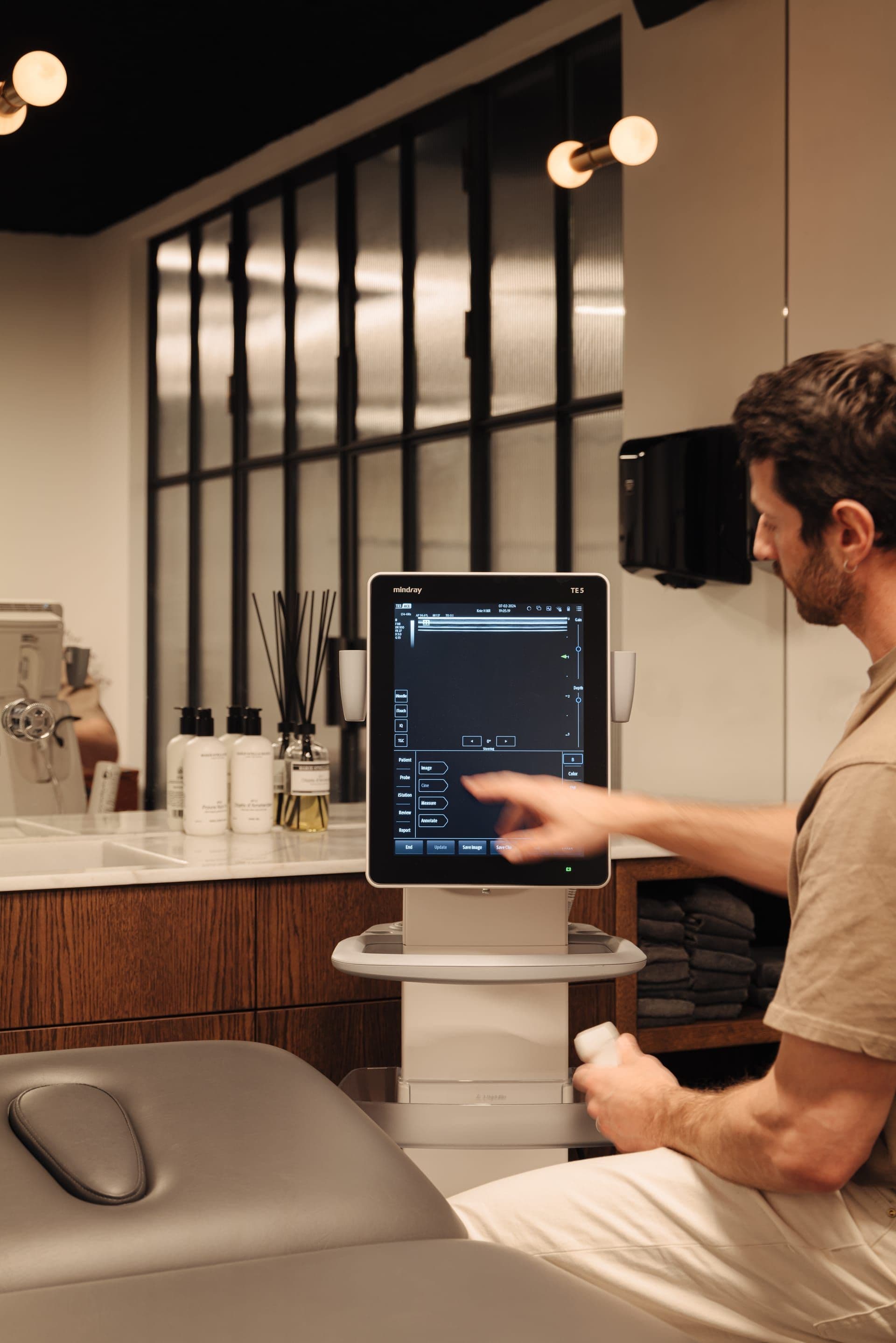
We start with a thorough intake in which we map out your symptoms, sports load and history. This is followed by a movement assessment looking at strength, mobility and stability of the hip, pelvis and trunk, to determine which structures are contributing to your groin pain. Where clinically relevant, we use ultrasound to assess the adductor tendon and surrounding structures and to rule out other causes. With VALD Force Decks we objectively measure the strength of your adductors and compare left and right, so we can base your training build-up on data rather than assumptions.
Treatment approach
Treatment of a groin injury at Physical Studio focuses on a gradual, well-substantiated build-up of load. We combine exercise therapy for strength and stability of the adductors, hip and trunk with manual therapy where this can help reduce tension and improve mobility. You'll receive a training schedule that increases in intensity step by step, tailored to what your body can handle at that stage. Where needed, we adjust the build-up based on how your symptoms respond. Because your physiotherapist is also your personal trainer, the transition from rehabilitation to sport-specific training runs smoothly, without having to switch practitioners.
Expected recovery
Recovery from a groin injury varies significantly from person to person and depends on the nature and duration of your symptoms. A mild overload can noticeably improve within a few weeks, while adductor tendinopathy often requires a process of several months, since tendons tend to heal more slowly than muscle tissue. Many athletes find that a gradual, consistent build-up of load contributes to a more stable recovery than returning to full load too quickly. We'll discuss a realistic estimate for your situation during the intake.
When to seek help
Contact your GP if your groin pain is accompanied by significant swelling, a visible deformity, fever, or if you're unable to bear any weight on your leg at all. The same applies if the pain starts suddenly and very severely, for example with an audible pop, or if the symptoms radiate to your lower abdomen or groin area alongside other complaints. If in doubt, your GP is always the first step to rule out more serious causes. For persistent or recurring groin pain without these warning signs, you can come to us directly without a referral.
Frequently asked questions
How long does a groin injury take to heal?
Can I keep playing sport with groin pain?
Could my groin pain be coming from my hip?
Why is my groin healing so slowly?
What's the difference between a strain and adductor tendinopathy?
Do I need a referral for a groin injury?
Is ultrasound needed for a groin injury?
Is treatment for a groin injury covered by insurance?
Does this sound familiar? Book an appointment.
Our physiotherapists are happy to help you with a personalized treatment plan.