What is it?
Knee complaints are common in both athletes and non-athletes. The knee is a complex joint that must absorb large forces daily. At Physical Studio we have extensive experience treating knee complaints, from ACL injuries and meniscus problems to patellofemoral pain and runner's knee.
Knee pain can arise from acute trauma, overuse or wear and tear. Complaints can manifest as pain, swelling, instability or a locking sensation. It is important to have knee complaints examined early to prevent further damage.
Our therapists specialize in knee rehabilitation and combine advanced diagnostics with targeted treatment. We objectively measure your muscle strength, stability and movement patterns to create an effective treatment plan.
Common causes
- Anterior cruciate ligament (ACL) injury
- Meniscus injury
- Patellofemoral pain syndrome (runner's knee)
- Patellar tendinopathy (jumper's knee)
- Collateral ligament injury
- Knee osteoarthritis
- Overuse from sport or work
How we diagnose
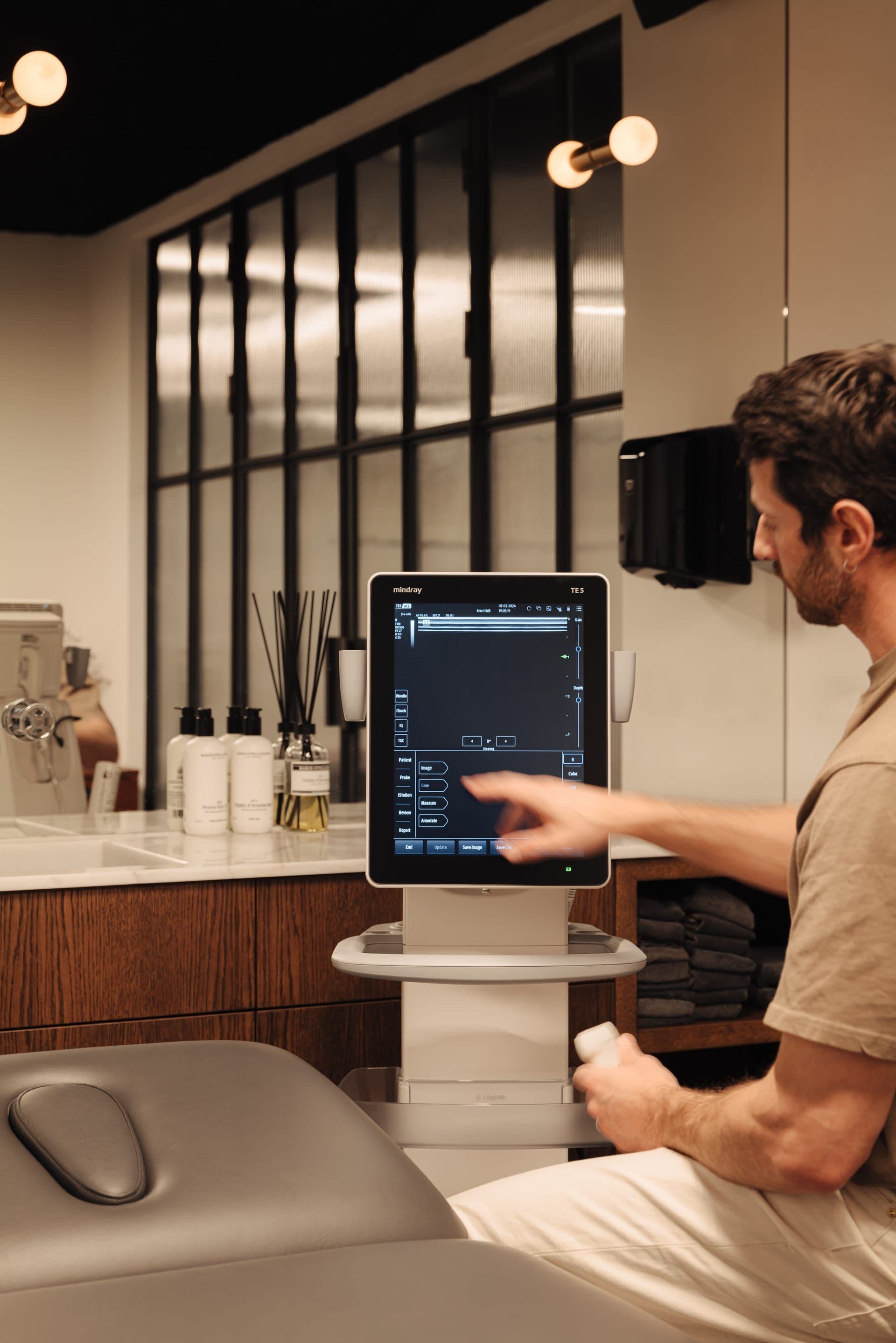
For knee complaints we perform an extensive clinical examination with specific knee tests for ligaments, meniscus and capsule. With ultrasound we assess tendons, bursae and the patellar tendon. Our VALD Force Decks provide an objective picture of strength differences between both legs, which is essential for monitoring your rehabilitation. A biomechanical analysis of your gait pattern helps us identify the cause of overloading.
Treatment approach
Our knee treatment focuses on restoring function and safely returning to your activities. We use manual therapy to restore mobility, followed by a progressive exercise programme targeting muscle strengthening, proprioception and coordination. For sports injuries we work towards sport-specific loading. Our personal trainers ensure a safe transition from rehabilitation to full training.
Expected recovery
Recovery time depends on the type of knee injury. Runner's knee often improves within 4-8 weeks. Meniscus injury typically requires 6-12 weeks of rehabilitation. After ACL surgery, a rehabilitation programme of 9-12 months is common, with interim objective measurements to safely guide your return to sport.