Lower Back Pain
Lower back pain, from acute strain to recurring pain in the lumbar spine, addressed with an approach aimed at recovery and fewer relapses

What is it?
Lower back pain is one of the most common reasons people see a physiotherapist. It can appear suddenly, for example as an acute strain (often called 'spit' or lumbago in Dutch) after an awkward movement, or build up gradually through posture, load and tension over time. In many cases there is no clearly identifiable structural damage, and we speak of non-specific low back pain: the complaint is real and can be quite limiting, but is not linked to a clear abnormality on imaging.
In a smaller number of cases there is a more specific cause, such as a herniated disc or irritation of the facet joints. Distinguishing between these forms matters for the approach, because it influences how cautious or how active you should be with movement.
At Physical Studio we look beyond the exact spot where it hurts, at how your back moves, is loaded and recovers in daily life and during sport. Our physiotherapists are all trained as coaches too, so the step from reducing pain to moving with strength and confidence again happens within a single track.
Common causes
- Prolonged sitting and a sedentary lifestyle
- Incorrect lifting or bending technique, for example while moving house or during sport
- Sudden overload or an awkward movement (acute strain, lumbago)
- Weak back, abdominal and pelvic floor muscles (core stability)
- Ongoing stress and tension, which can increase muscle tension in the lower back
- A herniated disc or disc-related issue in the lumbar spine
- Facet joint complaints or osteoarthritis in the spine
- Pregnancy, due to changes in posture and load on the back
How we diagnose
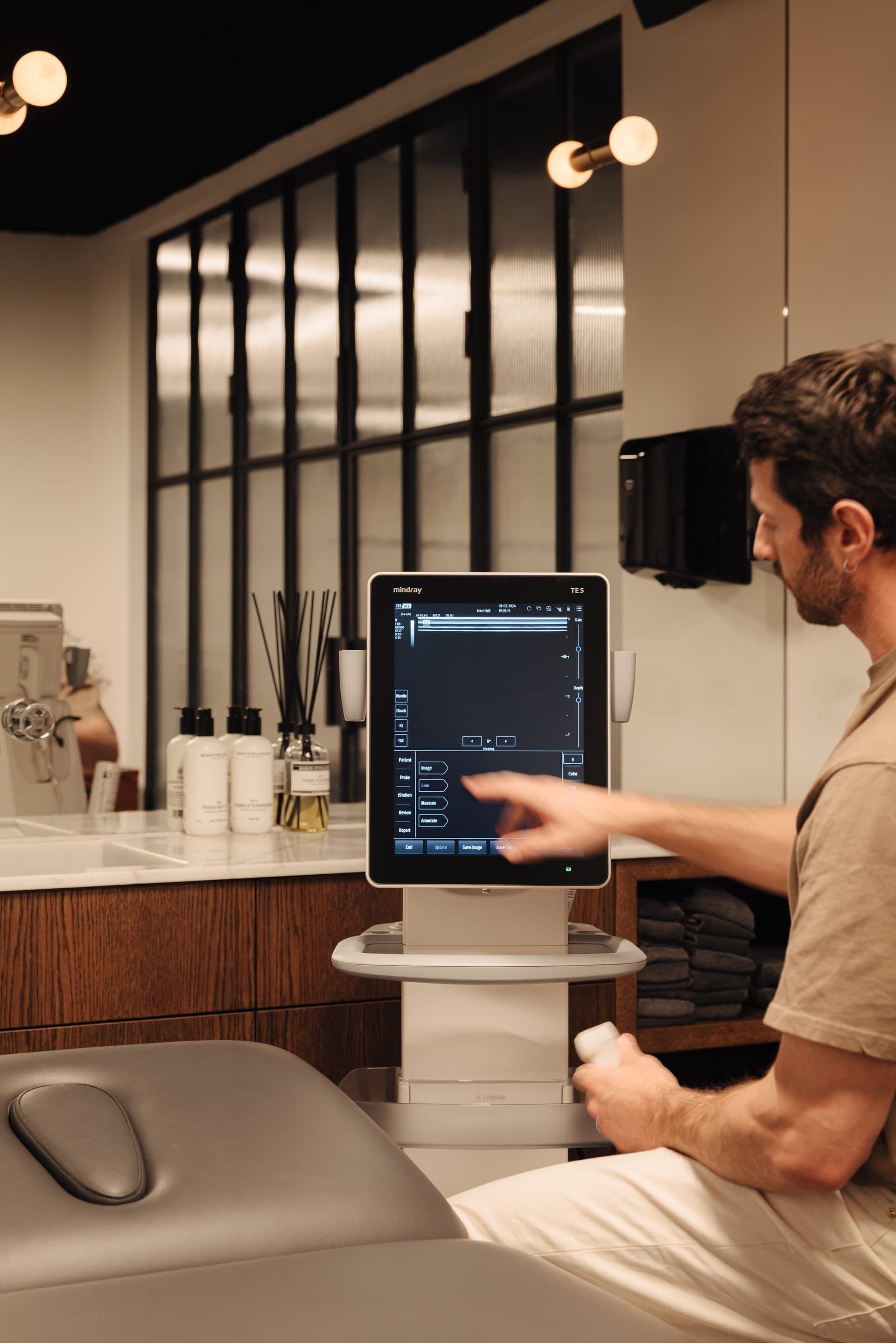
During the intake we first map your complaints, medical history and daily load on the back. This is followed by a thorough movement assessment: we evaluate the mobility of your spine, the strength and stability of your back and abdominal muscles, and specific tests that help distinguish between non-specific low back pain, a herniated disc or facet joint complaints. Where clinically relevant, we use ultrasound to assess muscle and tendon structures. With VALD Force Decks we can objectively measure strength and movement patterns, which helps track your recovery in a targeted way. Based on these findings we put together a personal treatment plan.
Treatment approach
Treatment of lower back pain at Physical Studio focuses on reducing symptoms and building up load capacity, so your back can handle what you need it to in work, sport and daily life. We combine manual therapy, aimed at improving mobility and reducing muscle tension, with exercise therapy that is built up step by step. Research shows that active exercise therapy can be effective for low back pain, and that is the core of our approach. Where relevant, we work towards personal training so that strength and stability in the back are built up in a lasting way. You also receive practical guidance on posture, lifting and movement technique, tailored to your situation.
Expected recovery
How long recovery from lower back pain takes depends strongly on the nature and duration of your complaints. An acute episode such as an acute strain can often improve noticeably within a few weeks with the right guidance, while complaints that have persisted for longer or are related to a herniated disc tend to need more time and a more gradual build-up. Recovery is rarely a straight line, small setbacks are a normal part of the process and do not mean the approach isn't working. We build your programme in phases, with regular evaluation, so the load always matches what your back can handle at that point.
When to seek help
Contact your GP (huisarts), or go directly to A&E, if you notice any of the following alongside lower back pain: unexplained weight loss, fever combined with back pain, loss of strength or sensation in your legs, problems with urination or bowel control, or numbness around the saddle area. Back pain following an accident or high-impact fall also warrants prompt medical assessment. Outside of these situations, you're welcome to book an intake with us directly for persistent or recurring lower back pain, no referral needed.
Frequently asked questions
What is the difference between an acute strain and a herniated disc?
When should I see a physiotherapist for lower back pain?
Is rest or movement better for lower back pain?
Why does my back pain keep coming back?
Does ultrasound help identify the cause of back pain?
Can I keep exercising or training with lower back pain?
Does my health insurance cover physiotherapy for lower back pain?
Do you work together with GPs on back complaints?
Does this sound familiar? Book an appointment.
Our physiotherapists are happy to help you with a personalized treatment plan.