Heel Spur & Plantar Fasciitis

Heel spur treatment for pain under the heel when standing up: targeted exercise therapy and manual therapy for plantar fasciitis.

Heel Spur & Plantar Fasciitis
5/5(479 reviews)

What is it?

Heel spur and plantar fasciitis are two terms that are often used interchangeably for the same complaint: pain on the underside of the heel. Plantar fasciitis is an overload of the plantar fascia, the broad band of connective tissue that runs from your heel to your toes and supports the arch of your foot. A heel spur is a bony growth sometimes visible on X-rays where the fascia attaches to the heel bone, but this growth is not always the source of the pain. Many people with a heel spur visible on a scan have no symptoms at all, and many people with plantar fasciitis have no heel spur.

The complaint often shows up as a sharp, stabbing pain under the heel, particularly with the first steps in the morning or after sitting for a while. Prolonged standing, walking or running can make the pain worse. It is common among runners, people who spend a lot of time standing on hard surfaces, and those with reduced flexibility in the calf muscle or Achilles tendon.

At Physical Studio we combine targeted diagnostics with an exercise programme aimed at reducing the load on the fascia and gradually building up your capacity to bear weight, so you can move step by step without the complaint limiting your daily life.

Common causes

  • Overload of the sole of the foot from running or prolonged standing
  • A sudden increase in training volume or intensity
  • Reduced flexibility in the calf muscle or Achilles tendon
  • Unsuitable footwear with little cushioning or support
  • Excess body weight, which places extra load on the fascia
  • An atypical foot posture, such as a high arch or a flattened arch
  • Prolonged walking on hard surfaces or barefoot on hard floors
  • Reduced tissue capacity due to age or previous injuries

How we diagnose

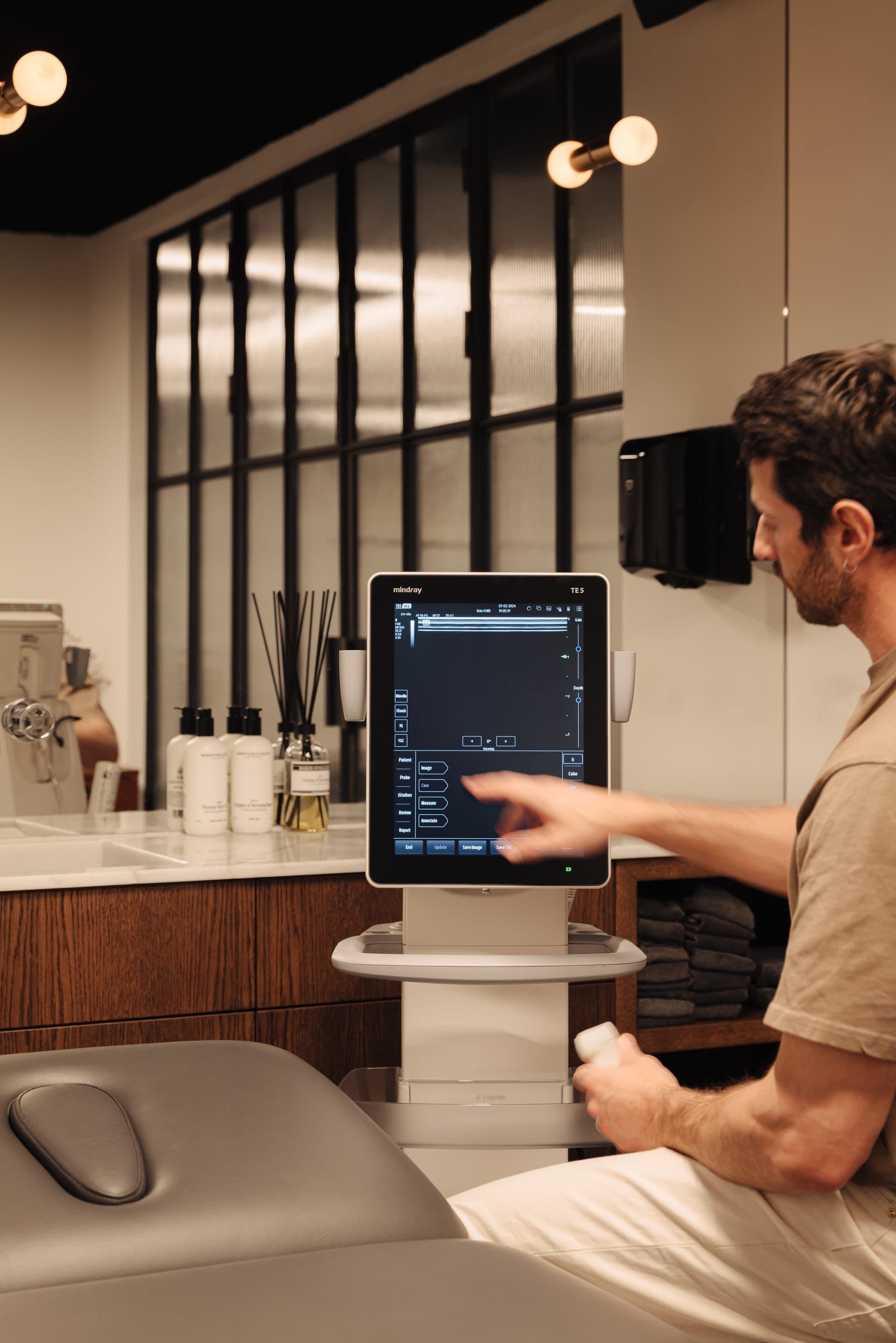
During the intake we map out exactly where and when the pain occurs, how the complaint developed and which factors make it better or worse. We carry out a movement assessment of the foot, ankle and calf, looking at the flexibility of the calf muscle, your foot posture and your gait pattern. Where clinically relevant, we use ultrasound to assess the thickness and condition of the plantar fascia and to rule out other causes of heel pain. Based on these findings we put together a treatment plan tailored to your situation.

Treatment approach

Treatment of heel spur and plantar fasciitis at Physical Studio focuses on gradually building up the load capacity of the fascia and addressing any underlying limitations. We work with specific exercise therapy, including eccentric and isometric exercises for the sole of the foot and calf, which can help reduce symptoms. Manual therapy is used to improve mobility in the ankle and calf when limited flexibility plays a role. We also give practical advice on footwear, how to build up your activity level, and temporary aids such as a heel cushion or taping where useful. We always build up the programme in consultation with you and adjust the pace to how your tissue responds.

Expected recovery

Recovery from plantar fasciitis is gradual and depends strongly on the nature and duration of your complaints, how long you have had the issue, and how consistently you follow the exercise programme. For most people, symptoms noticeably ease within a few weeks to months as the fascia's load capacity increases. For longer-standing complaints, recovery can take more time. We regularly evaluate your progress and adjust the programme where needed.

When to seek help

Contact your GP if, alongside the heel pain, you have a fever, if the heel looks red, warm or significantly swollen, if the pain persists at night while at rest, or if you are unable to bear any weight on the foot after a clear injury. These signals can point to a different underlying cause that falls outside the scope of physiotherapy and should be assessed medically first.

Frequently asked questions

Why is the pain worst in the morning?
During rest, the plantar fascia shortens slightly, which makes the first steps after getting up particularly demanding for the tissue. This is a typical feature of plantar fasciitis. The pain often eases somewhat after a few steps, though it can return later in the day with prolonged activity.
Can I keep walking or running with a heel spur?
That depends on the severity of your symptoms and how your foot responds to load. In many cases, adapted activity is possible as long as the load is built up gradually. We put together a loading schedule with you that matches your symptoms and goals, so you don't have to stop moving for longer than necessary.
Do insoles or a heel cushion help with a heel spur?
Insoles or a heel cushion can temporarily reduce pressure on the heel and provide comfort in the first weeks. They do not address the underlying cause. That is why we use them at most as a temporary aid alongside exercise therapy that builds up the fascia's load capacity. During the intake we assess whether such an aid is useful in your situation.
How long does recovery from a heel spur take?
This varies from person to person and depends on the nature and duration of your complaints. Many people notice improvement within a few weeks to months when they follow the exercise programme consistently. For longer-standing complaints, the process can take longer. We track your progress and adjust the plan where needed.
Is a heel spur visible on a scan always the cause of my heel pain?
Not necessarily. A heel spur is a bony growth sometimes visible on X-rays, but many people with a heel spur have no symptoms at all, while others without one do experience pain from plantar fasciitis. We look at your full symptom pattern to determine the actual cause.
What kind of shoes are good for plantar fasciitis?
Shoes with adequate cushioning and firm arch support can reduce the load on the fascia. Walking barefoot on hard surfaces is often less comfortable with this complaint. During treatment we give practical advice tailored to your foot and activities.
Can I do exercises myself for a heel spur?
Stretching exercises for the calf and sole of the foot, along with targeted strengthening exercises, can help reduce symptoms. It's important that the exercises suit your situation and are built up gradually. At Physical Studio we put together a tailored programme and guide the progression.
Is treatment for a heel spur covered by insurance?
Physiotherapy for plantar fasciitis is typically covered under supplementary insurance, not the basic policy. Coverage varies by policy and insurer. Check your policy or use the insurance checker on our site to see what applies to you.

Related conditions

Does this sound familiar? Book an appointment.

Our physiotherapists are happy to help you with a personalized treatment plan.