Herniated Disc (HNP)

Physiotherapy for a herniated disc, radiating leg pain and low back pain, with an approach focused on recovery without surgery.

Herniated Disc (HNP)
5/5(479 reviews)

What is it?

A herniated disc (Hernia Nuclei Pulposi, or HNP) occurs when the gel-like core of a spinal disc bulges outward or tears through the outer ring. This most often happens in the lower back (lumbar disc herniation), though it can also occur in the neck. When the bulge presses on a nerve root, it can cause radiating pain, tingling or numbness into the leg or arm.

Not every herniated disc causes symptoms. MRI scans of people without any back pain regularly show a disc herniation, which shows that what appears on a scan doesn't always match how much pain someone actually experiences. Symptoms tend to arise from a combination of mechanical pressure on the nerve and a local inflammatory response around it.

At Physical Studio we see herniated disc related complaints regularly, ranging from a sudden radiating pain after lifting something heavy to a gradually building pain that lingers for months. Research shows that exercise therapy can be effective in reducing symptoms from a herniated disc. Many people also recover without surgery.

Common causes

  • Age-related wear of the spinal disc (disc degeneration)
  • Prolonged or improper lifting of heavy objects
  • A sudden twisting or bending movement of the back under load
  • Long periods of sedentary work with little variation in posture
  • Being overweight, which adds extra load on the spinal discs
  • Repeated vibration exposure, for example in certain professions or sports
  • Reduced core stability and strength in the back and abdominal muscles
  • Smoking, which can negatively affect blood flow and nutrition to the spinal disc

How we diagnose

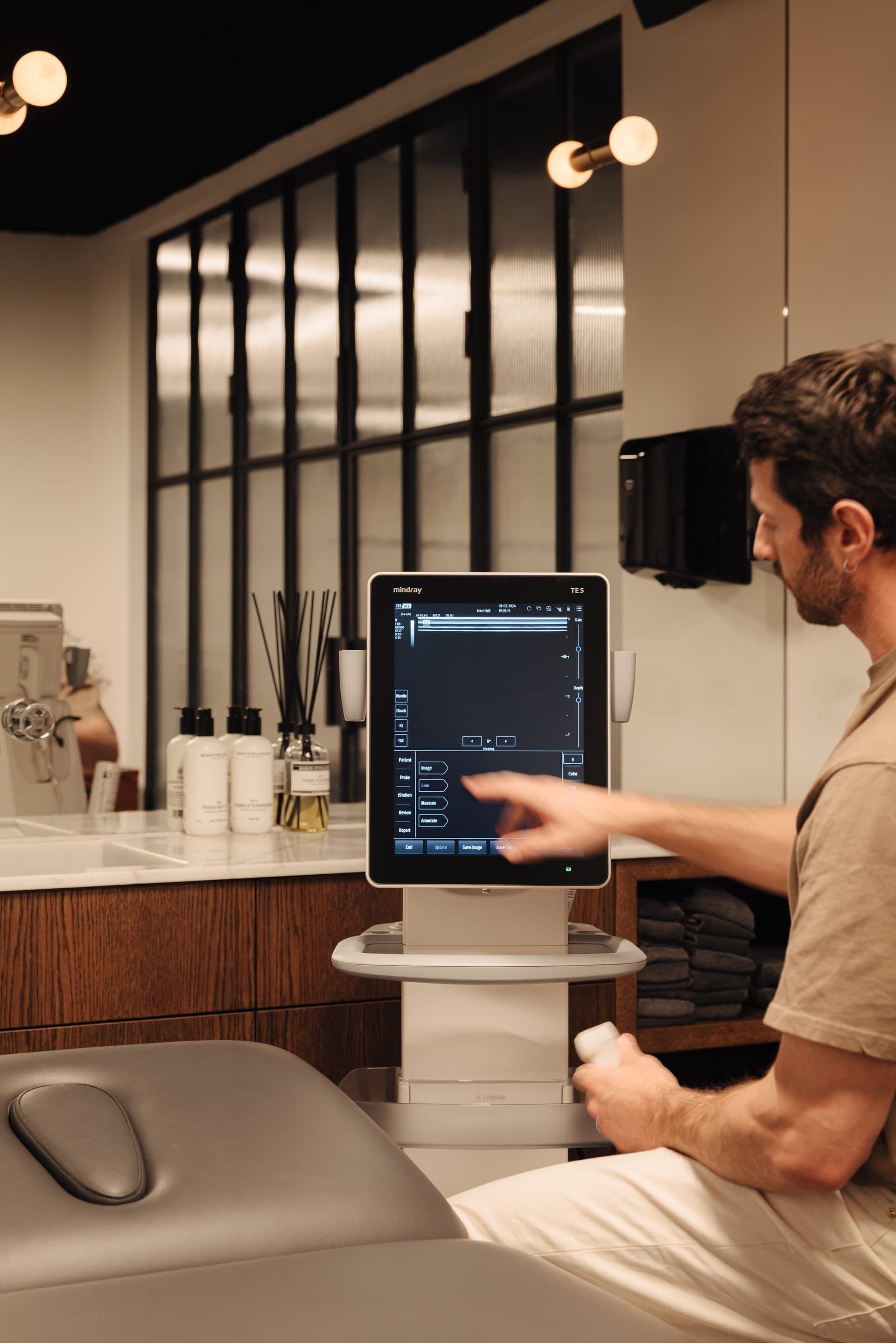
If a herniated disc is suspected, diagnosis at Physical Studio starts with a thorough intake, mapping how your symptoms began, how they've developed, and how posture and movement affect the pain. This is followed by a movement assessment looking at the mobility of your back, strength, sensation and reflexes in the leg or arm, and specific neurological tests that can point to nerve irritation. Where clinically useful, we use ultrasound to further assess the back muscles and movement pattern. For definitive imaging of the disc itself, we refer you, in consultation with your GP, for an MRI scan. With VALD Force Decks we can also objectively measure strength in your legs, which helps track your recovery.

Treatment approach

Treatment of herniated disc symptoms at Physical Studio focuses on reducing pain and restoring function, without unnecessary risk. We start with education about what a herniated disc is and what you can do yourself, since understanding the condition often brings a sense of reassurance on its own. From there we build up an exercise programme with targeted exercise therapy for core and back stability, mobilising exercises and a gradual increase in load. Manual therapy can be used to reduce tension in the surrounding muscles and support the mobility of your back. Where needed, we combine this with personal training, so you can safely return to moving, lifting and exercising under guidance. The approach is always tailored to the severity of your symptoms and follows our Recover, Prevent, Perform framework: first working on recovery, then on preventing relapse, and finally on getting your back to perform at its best again.

Expected recovery

Recovery from a herniated disc varies widely between people and depends on the nature and duration of your symptoms, the location of the herniation, and how your body responds to treatment. Many patients experience a clear reduction in radiating pain within a few weeks to several months, as the body partially resorbs the bulge and the inflammatory response subsides. Full functional recovery, including a return to sport or physically demanding work, can take longer and requires a gradual build-up of load. Consistency with the exercises and patience matter more here than speed.

When to seek help

Contact your GP or seek immediate medical help if, alongside back pain, you notice loss of strength in your leg, difficulty urinating or with bowel control, numbness around the saddle area or between your legs (saddle anaesthesia), or if the pain is accompanied by fever or unexplained weight loss. These signs can indicate more serious nerve compression and require prompt assessment by a doctor. If in doubt, it's always sensible to consult your GP first before starting physiotherapy.

Frequently asked questions

Can a herniated disc heal without surgery?
Yes, for most people symptoms from a herniated disc ease without surgery. The body can partially resorb the bulge and the inflammatory response around the nerve tends to decrease over time. Targeted exercise therapy and guidance can help with this. Surgery is only needed in specific cases.
How long does recovery from a herniated disc take?
This varies from person to person and depends on the nature and duration of your symptoms. Many people experience a clear reduction in pain within a few weeks to several months, while full functional recovery can sometimes take longer. A gradual build-up of load is important throughout.
Am I allowed to move and exercise with a herniated disc?
Movement is generally encouraged, as long as it's built up in consultation with a physiotherapist. Complete rest usually isn't necessary and can even slow recovery down. Which movements and what pace are appropriate depends on your specific symptoms and is determined individually.
When is surgery actually needed?
Surgery is considered in cases of severe or persistent neurological signs, such as clear loss of strength, problems with urination or bowel control, or when symptoms fail to improve sufficiently after a longer period of targeted treatment. This is always assessed by a doctor, not by the physiotherapist.
What does a herniated disc in the lower back actually feel like?
Symptoms can include a painful lower back, radiating pain into the buttock or leg, tingling or numbness, and sometimes reduced sensation or loss of strength. Not everyone with a herniated disc visible on a scan experiences these symptoms, the level of pain depends on the individual situation.
Does physiotherapy actually help with a herniated disc?
Research shows that exercise therapy can be effective in reducing symptoms from a herniated disc. At Physical Studio we combine exercise therapy, manual therapy and education, tailored to your situation, aimed at reducing pain and restoring function.
Is treatment for a herniated disc covered by insurance?
Physiotherapy is typically covered under supplementary insurance, not the basic policy. How many sessions and up to what amount is covered depends on your individual policy. Check your policy or use the insurance checker on our site to find out what applies to your situation.
Can I book an appointment at Physical Studio without a GP referral?
Yes, in the Netherlands you have direct access to a physiotherapist without a referral. If we notice signs that could point to a more serious issue, we'll refer you to your GP for further assessment when needed.

Related conditions

Does this sound familiar? Book an appointment.

Our physiotherapists are happy to help you with a personalized treatment plan.