Frozen Shoulder

Frozen shoulder treatment at Physical Studio: phase-specific physiotherapy, ultrasound assessment and a tailored mobility programme.

Frozen Shoulder
5/5(479 reviews)

What is it?

A frozen shoulder, also known as adhesive capsulitis, is a condition in which the shoulder joint gradually becomes stiffer and range of motion decreases. The joint capsule thickens and tightens, making movements such as raising your arm or reaching behind your back progressively harder. The complaint often develops gradually, without an obvious injury, and can involve both pain and a persistent feeling of the shoulder being 'stuck'.

Frozen shoulder typically progresses through several phases, each with its own character: a painful phase during which the shoulder becomes increasingly stiff, a phase in which stiffness is the dominant feature, and a phase in which mobility gradually returns. The condition is more common between the ages of 40 and 60 and occurs somewhat more often in women. At Physical Studio we combine a careful assessment with a treatment approach tailored to the phase you are in, so you can work purposefully on mobility and everyday function.

Common causes

  • Unknown cause (idiopathic), the most common form
  • Prolonged immobilisation of the shoulder, for example after an injury or surgery
  • Diabetes mellitus, which is associated with a higher likelihood of frozen shoulder
  • Thyroid conditions
  • Previous shoulder surgery or injury
  • Extended reduced use of the arm due to pain elsewhere in the body
  • Cardiovascular disease and Parkinson's disease are associated with a higher risk
  • A previous frozen shoulder in the other shoulder

How we diagnose

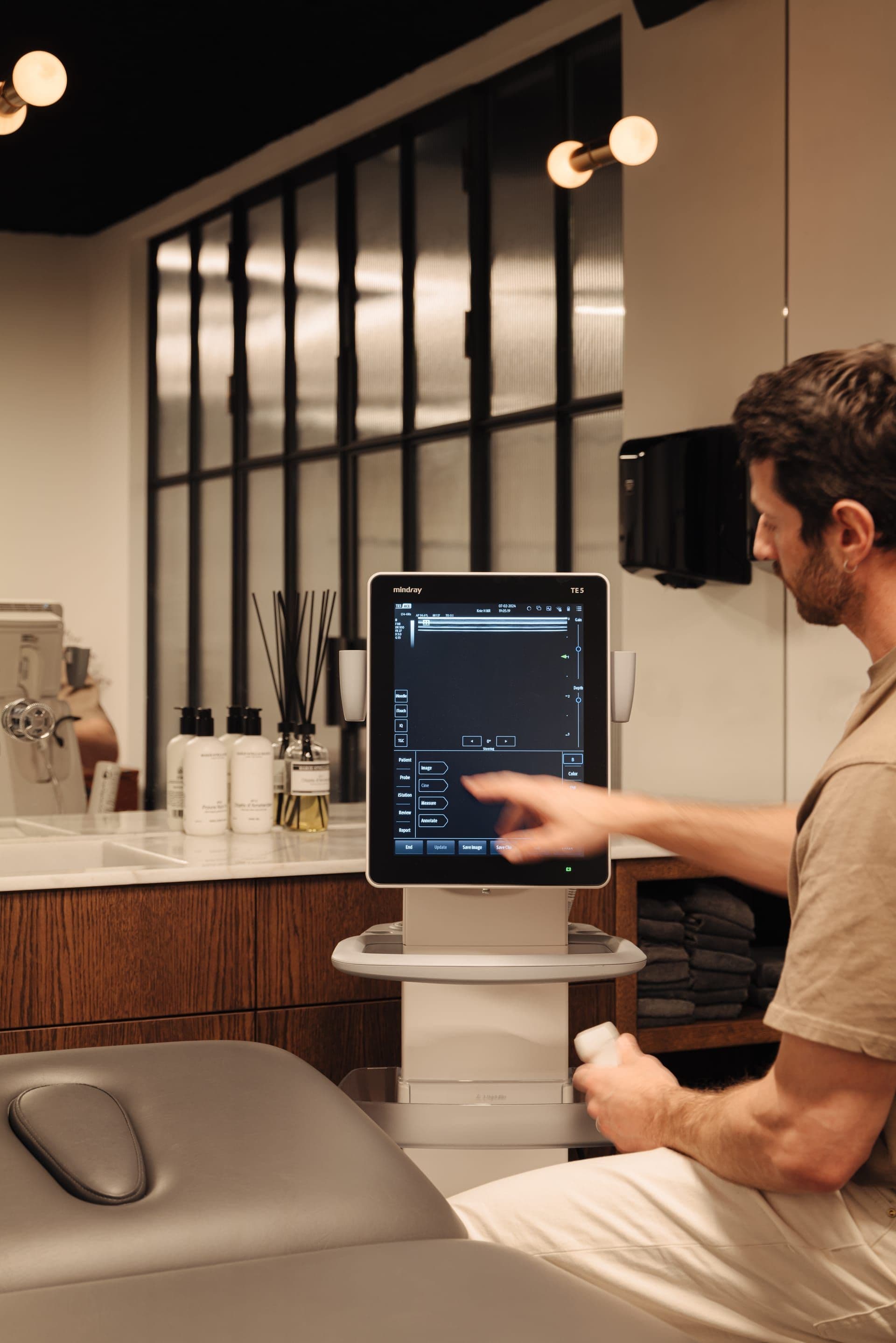
At Physical Studio, assessment of a frozen shoulder always starts with a thorough intake, in which we map your history, how the complaint has developed, and the daily limitations you're experiencing. This is followed by a movement assessment, testing the active and passive range of motion of your shoulder in every direction and comparing it with the other side. This helps us determine which phase the frozen shoulder is in. Where clinically relevant, we use ultrasound to rule out or confirm other causes of shoulder complaints, such as a tendon injury or inflammation of the bursa tissue. This gives us a complete picture of what is happening in and around the joint, so we can tailor treatment accordingly.

Treatment approach

Treatment of a frozen shoulder at Physical Studio focuses on preserving and gradually increasing your range of motion, tailored to the phase you're in. During the painful, increasingly stiff phase, the emphasis is on gentle, pain-free mobilising exercises and advice on everyday loading, so the shoulder isn't pushed into further stiffness unnecessarily. As stiffness becomes the dominant feature, we use manual therapy and targeted mobility exercises to increase range of motion step by step. In the final phase, as the shoulder gradually loosens, we guide the rebuilding of strength and functional use of the arm, for example through personal training focused on shoulder stability. We continuously match pace and intensity to what your shoulder can handle at that point in time.

Expected recovery

Recovery from a frozen shoulder is gradual, and the length of the process varies considerably from person to person, depending on the phase in which the complaint is recognised, the underlying cause, and how your body responds to treatment. Broadly speaking, the full course, from the initial painful phase to fully restored mobility, can take anywhere from several months to over a year. Many people find that targeted exercise therapy and manual therapy contribute to a smoother process and more control over daily limitations, even though the overall timeline is often not quick. During your intake we discuss a realistic estimate based on your specific situation, rather than promising a fixed timeline.

When to seek help

Get in touch with Physical Studio if you notice your shoulder becoming progressively stiffer and harder to use, or if the complaint is significantly affecting your sleep or daily activities. We can then assess whether frozen shoulder is the cause and work out an approach with you. See your GP (huisarts) if the pain starts suddenly and severely after a fall or accident, if you have a fever combined with a warm, red or swollen shoulder, if you notice a visible deformity of the joint, or if alongside the shoulder complaint you experience unexplained loss of strength, tingling or numbness in the arm. These signs are not typical of an ordinary frozen shoulder and warrant medical assessment.

Frequently asked questions

How long does a frozen shoulder last?
This varies considerably from person to person and depends on the phase in which the complaint is recognised and how your body responds to treatment. Depending on the nature and duration of your symptoms, the full course can range from several months to over a year. Targeted guidance can help make the process more manageable.
What are the three phases of a frozen shoulder?
A frozen shoulder typically progresses through three phases: a painful phase in which the shoulder becomes increasingly stiff, a phase in which stiffness is the dominant feature and pain often eases somewhat, and a phase in which mobility gradually returns. The transition between phases isn't always clear-cut for everyone.
Does a frozen shoulder go away on its own?
For many people, stiffness gradually eases over the long term, but this process can take a long time, and not everyone regains full mobility without help. Physiotherapy is aimed at supporting this process and limiting loss of function in the meantime.
Can physiotherapy speed up recovery?
Physiotherapy can help maintain and increase your range of motion and help you manage the limitations during the different phases. There's no guarantee that overall recovery will be faster, but many patients experience more control over their symptoms and a more functional shoulder throughout the process.
Which exercises help with a frozen shoulder?
Which exercises are suitable depends on the phase your shoulder is in. In the painful phase we choose gentle, pain-free mobilising exercises, while in later phases we gradually build towards more active mobility and strength exercises. This is always tailored to you during treatment.
Is physiotherapy for a frozen shoulder covered by insurance?
Physiotherapy is typically covered from supplementary (aanvullende) insurance rather than the basic policy, except in a limited number of exception cases. How many sessions are covered depends on your specific policy. Check your policy or use our insurance checker on the website to find out for your situation.
Can I keep exercising or training with a frozen shoulder?
In many cases you can stay active with some adjustments, as long as movements stay within your shoulder's pain-free range. We look together at which movements and loads are appropriate right now, and build this up gradually as your shoulder allows more.

Related conditions

Does this sound familiar? Book an appointment.

Our physiotherapists are happy to help you with a personalized treatment plan.