What is it?
Sports injuries are a core specialization at Physical Studio. Whether you are an elite athlete or recreational sportsperson: injuries can have a major impact on your performance and daily life. We understand that athletes want to return to their sport quickly and safely, which is why we offer a specialized rehabilitation programme.
Sports injuries range from muscle strains and tendon injuries to joint problems and overuse injuries. The cause can be an acute trauma, but also overtraining, insufficient warm-up or biomechanical abnormalities.
At Physical Studio we combine the expertise of physiotherapist and personal trainer in one person. This makes the transition from rehabilitation to training seamless and increases the chance of a successful return to sport.
Common causes
- Hamstring injury (strain or tear)
- Ankle sprain and ankle instability
- Muscle tear (calf, quadriceps)
- Tendinitis (Achilles tendon, patellar tendon)
- Stress fractures from overloading
- Shoulder dislocation in contact sports
- Overtraining syndrome
How we diagnose
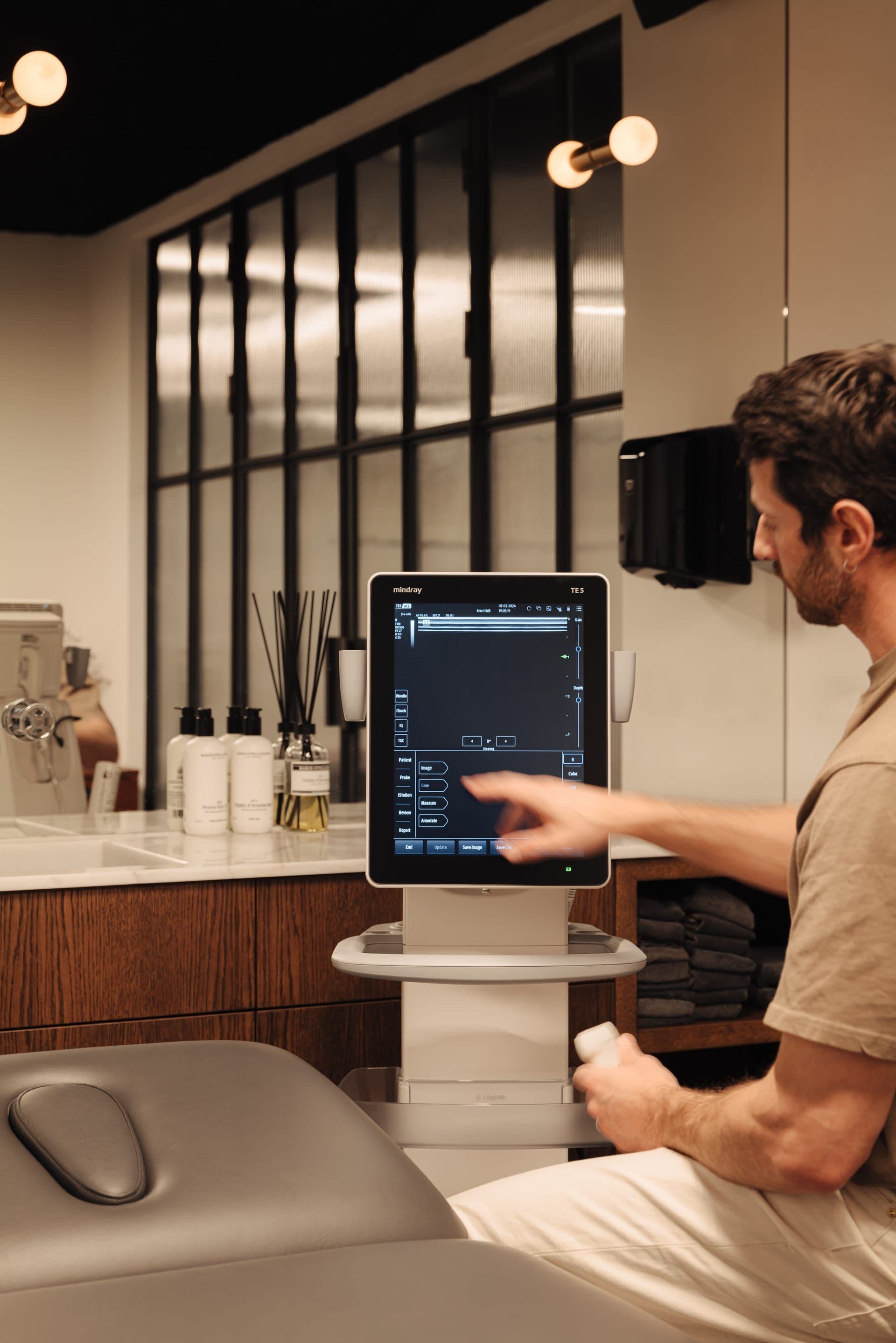
For sports injuries, a quick and accurate diagnosis is crucial. We use ultrasound to immediately assess the severity of muscle and tendon injuries. With VALD Force Decks we objectively measure strength differences and map biomechanical risk factors. Sport-specific tests provide insight into your functional capacity and help determine the optimal moment for return to sport.
Treatment approach
Our sports rehabilitation programme is structured in phases: from acute injury treatment to return-to-sport. In the first phase we focus on pain reduction and protecting the damaged tissue. In the build-up phase we work on restoring strength, coordination and endurance. In the final phase, sport-specific training takes centre stage, where we use objective criteria to determine when you can safely return to your sport.
Expected recovery
Recovery time varies per injury. A mild muscle strain can recover within 2-4 weeks. A muscle tear requires 6-12 weeks. Tendon injuries typically need 8-16 weeks. We use objective measurements to monitor your progress and determine the right moment for return.